MDMA: Understanding the Effects, Uses, and Risks of Methylenedioxymethamphetamine
Methylenedioxymethamphetamine, commonly known as MDMA or Ecstasy, is a synthetic drug that has garnered both attention and controversy over the years. Popular in party and festival scenes for its euphoric and empathogenic effects, MDMA’s impact on the brain and body is multifaceted. In this article, we’ll explore what MDMA is, how it works, its potential benefits, risks, and why knowledge and caution are essential for anyone considering its use.
How Does MDMA Work in the Brain?
At the core of MDMA’s effects lies its action on neurotransmitters—chemical messengers in the brain. Primarily, MDMA causes a large release of serotonin, a key neurotransmitter linked to mood regulation, empathy, and happiness. This surge of serotonin creates the signature feelings of euphoria and emotional warmth users report. Additionally, MDMA influences dopamine and norepinephrine, which contribute to increased energy and alertness. However, these neurochemical changes also set the stage for potential aftereffects like mood dips or fatigue once the drug wears off.
Therapeutic Potential and Contemporary Research
In recent years, MDMA has transitioned from being solely known as a party drug to a promising tool in psychotherapy. Researchers have been investigating its application in treating conditions such as post-traumatic stress disorder (PTSD). Clinical trials have shown that when used in controlled, therapeutic settings, MDMA can help patients confront traumatic memories while fostering trust and emotional openness. This new frontier highlights the drug’s unique ability to facilitate healing, although it remains crucial that MDMA use outside medical supervision be approached with extreme care.
Risks and Safety Considerations
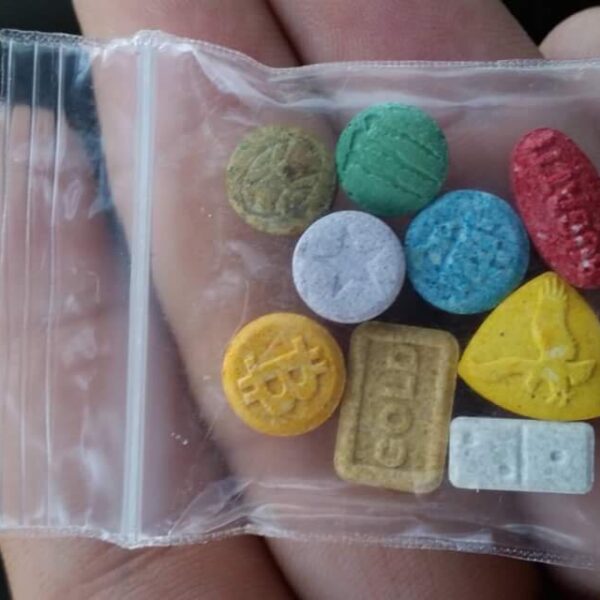
Despite the potential benefits, MDMA use carries significant risks, especially when obtained from unregulated sources, such as those often encountered on recreational markets. Purity can vary widely; some pills labeled as Ecstasy may contain harmful adulterants or lower doses of MDMA than expected. Moreover, the drug affects the body by increasing heart rate and body temperature, which can lead to dehydration, overheating, or even life-threatening conditions like hyperthermia in crowded, hot environments such as clubs or festivals.
Long-term or heavy use of MDMA might result in lingering cognitive deficits, memory problems, or mood disorders due to serotonin depletion. Combining MDMA with other substances or alcohol can exacerbate adverse effects and increase risk. Therefore, harm reduction practices—like testing substances, staying hydrated, and avoiding excessive doses—are vital to minimize dangers.
Final Thoughts
MDMA, or methylenedioxymethamphetamine, stands as a complex compound with a dual identity: a recreational party drug and a potential therapeutic agent. Understanding its effects, mechanisms, and associated risks helps foster more informed decisions and encourages safe practices. Whether you are curious about MDMA for social or medical reasons, prioritizing accurate information and caution is key.
For those interested in exploring further or obtaining related products responsibly, websites like https://trippystore420.com/ provide resources and options tailored to discerning users. Remember, education and mindfulness are your best allies when navigating the world of psychoactive substances.
Ecstasy Fast & Discrete
MDMA (3,4-Methylenedioxymethamphetamine), commonly known by the street name “Ecstasy,” is a synthetic compound historically studied for its psychoactive properties. In academic and forensic contexts, MDMA is referenced for chemical identification, harm-reduction education, and analytical comparison.
Reference Details
-
Compound Name: 3,4-Methylenedioxymethamphetamine (MDMA)
-
Category: Synthetic phenethylamine (research reference)
-
Common Aliases (for identification only): MDMA, Molly
-
Intended Context: Educational review, laboratory comparison, archival or display purposes where lawful





Reviews
There are no reviews yet.