
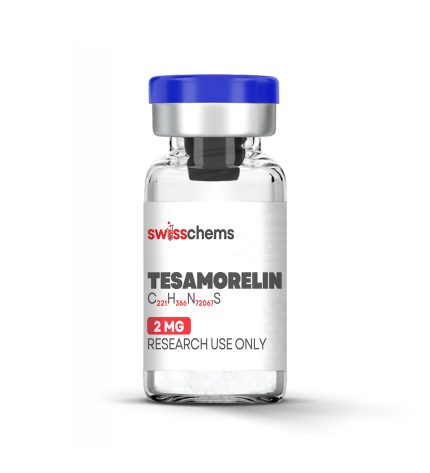
Bodybuilding requires dedication, consistency, and a strong understanding of training, nutrition, and recovery. While traditional methods such as resistance training and proper diet remain the foundation of muscle development, many athletes and fitness enthusiasts are increasingly interested in peptides and bodybuilding as a topic of research and discussion.
Peptides have gained attention because of their potential role in processes related to muscle recovery, tissue repair, and hormone signaling. However, understanding what peptides are, how they work, and their limitations is important before considering their place in a fitness routine.
What Are Peptides?
Peptides are small chains of amino acids that serve as signaling molecules in the body. They help regulate different biological functions, including cellular communication, hormone activity, and tissue maintenance.
Unlike proteins, which contain longer chains of amino acids, peptides are shorter and often have more specific roles within biological systems. Some peptides occur naturally in the body, while others are developed and studied for potential therapeutic or research applications.
The growing interest in peptides and bodybuilding comes from their connection with processes involved in muscle repair, recovery, and physical performance. Many fitness enthusiasts are researching peptides and bodybuilding to better understand how these compounds relate to modern training approaches.
Why Are Peptides and Bodybuilding Becoming Popular Topics?
Bodybuilders focus heavily on improving muscle growth, recovery, and performance. Because certain peptides may influence pathways related to growth hormone and tissue repair, they have become a popular subject among people interested in advanced fitness strategies.
Some reasons peptides are discussed in bodybuilding communities include:
- Supporting recovery after intense workouts
- Promoting healthy tissue repair
- Supporting muscle maintenance
- Helping athletes understand new areas of sports science research
It is important to remember that peptides are not a replacement for proper training, nutrition, or recovery habits.
How Do Peptides Work in the Body?
Different peptides have different functions. Some peptides are studied for their potential impact on growth hormone signaling, while others are researched for their effects on healing and recovery.
Growth hormone-related peptides are often discussed because growth hormone plays a role in:
- Muscle tissue development
- Fat metabolism
- Cell repair
- Recovery processes
The relationship between peptides and bodybuilding is still being researched, and individual results can vary depending on many factors, including genetics, training experience, diet, and overall health.
Common Types of Peptides Discussed in Bodybuilding
Several peptides are commonly mentioned in fitness and research discussions.
Growth Hormone-Releasing Peptides
Growth hormone-releasing peptides are studied for their ability to influence the body’s natural growth hormone pathways. They are often discussed by people interested in recovery and muscle development.
CJC-1295
CJC-1295 is a peptide commonly researched for its potential effects on growth hormone release. It is frequently mentioned in discussions about recovery and body composition.
Ipamorelin
Ipamorelin is another peptide associated with growth hormone research. It has gained attention because of its targeted approach to stimulating certain biological pathways.
BPC-157
BPC-157 is often discussed in relation to tissue repair and recovery. While it has generated interest among athletes, more research is needed to fully understand its effects.
Potential Benefits of Peptides in Bodybuilding
People interested in peptides and bodybuilding often explore potential benefits related to training and recovery.
Improved Recovery Support
Recovery is a critical part of bodybuilding progress. Some peptides are studied for their possible role in supporting repair processes after physical stress.
The relationship between peptides and bodybuilding continues to be researched as athletes look for better ways to understand recovery, performance, and muscle development.
Muscle Growth Research
Certain peptides are investigated for their influence on pathways associated with muscle development. However, muscle growth still depends primarily on progressive resistance training and adequate nutrition.
Supporting Connective Tissue Health
Tendons, ligaments, and other connective tissues are essential for long-term athletic performance. Some peptides are researched for their potential relationship with tissue health.
Risks and Considerations
Before exploring peptides, it is important to understand that research, regulation, and availability vary widely.
Potential concerns may include:
- Uncertain product quality
- Lack of long-term human research for some compounds
- Possible side effects
- Differences in legal status depending on location
Products marketed online may not always meet the quality standards expected by consumers. Anyone considering peptide use should seek advice from a qualified healthcare professional.
Building Muscle Without Peptides
Although peptides are a popular discussion topic, the fundamentals of bodybuilding remain the most important factors for success.
Effective muscle-building habits include:
Progressive Training
Gradually increasing training intensity helps stimulate muscle adaptation over time.
Proper Nutrition
Adequate protein, calories, vitamins, and minerals support muscle repair and overall performance.
Quality Recovery
Sleep and rest days allow the body to recover and adapt to training demands.
Consistency
Long-term consistency is one of the strongest predictors of bodybuilding progress.
Frequently Asked Questions
Are peptides necessary for bodybuilding?
No. Successful bodybuilding is possible through consistent training, proper nutrition, and recovery. Peptides are a research topic and are not required for building muscle.
Can peptides replace protein and exercise?
No. Protein intake and resistance training remain essential components of muscle growth.
Are peptides approved for bodybuilding use?
Approval and regulations vary depending on the specific peptide and location. Many peptides discussed in fitness communities are not approved specifically for bodybuilding purposes.
How do peptides compare with traditional supplements?
Traditional supplements such as protein powder and creatine have significantly more research supporting their role in fitness. Peptides require more research to understand their long-term effects.
Final Thoughts
The connection between peptides and bodybuilding continues to attract attention among athletes, researchers, and fitness enthusiasts. Peptides may influence certain biological processes related to recovery and muscle development, but they should be viewed as an emerging area of research rather than a shortcut to achieving fitness goals.
As interest in peptides and bodybuilding continues to grow, it is important to focus on scientific research, product quality, and safe decision-making.
A successful bodybuilding approach still depends on proven fundamentals: structured training, balanced nutrition, proper recovery, and consistency. Anyone interested in peptides should research carefully, consider safety factors, and consult a qualified professional before making decisions about their use.
Leave a Reply