
Description
What is Changa?
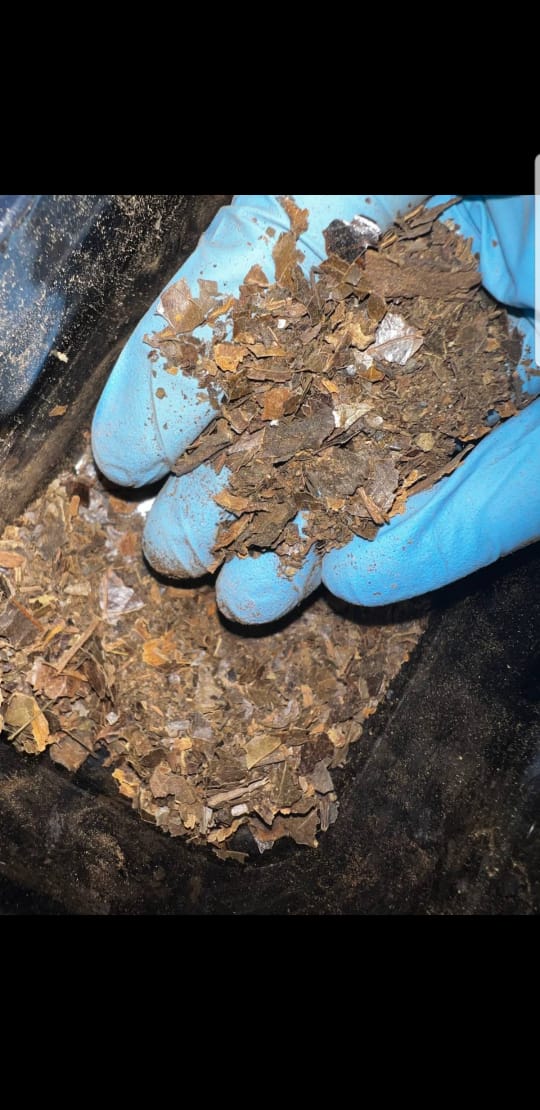
Changa is a blend of finely chopped herbs infused with DMT (N,N-Dimethyltryptamine), one of nature’s most powerful psychedelic compounds. Traditionally, DMT is known for producing intense, short-lived visionary experiences when vaporized. Chang-a combines this with aromatic herbs like mullein, damiana, peppermint, and others to create a smokeable blend that’s easier on the lungs than pure DMT crystals.
The addition of these herbs not only enhances the flavor and aroma but also softens the harshness of the smoke, making the experience more enjoyable and accessible. Chang-a is often used as an alternative to ayahuasca ceremonies due to its fast onset and intense, yet manageable trips.
Why Choose Changa from Trippystore420?
- Premium Quality Ingredients: Our Chan-ga is crafted using carefully selected herbs and high-purity DMT extracts to ensure an authentic and safe experience.
- Smooth, Flavorful Smoke: Each blend is balanced to provide rich flavors while minimizing irritation.
- Trusted Source: At Trippystore420, we prioritize quality control and ethical sourcing, so you can buy with confidence.
- Discreet Packaging & Fast Shipping: Your privacy matters to us. We ship orders securely and promptly.
How to Use Changa
Using Changa is straightforward compared to other DMT consumption methods. It can be smoked in a pipe, bong, or rolled into a cigarette or joint. Beginners are advised to start with small doses to gauge sensitivity before increasing. The effects typically begin within seconds and last around 10-20 minutes, featuring vivid visual patterns, deep introspective insights, and a profound sense of connection.
The Experience
Users often describe the Changa experience as enlightening, euphoric, and mind-expanding. The blend facilitates a calming yet energetic state, opening the door to vivid hallucinations, time distortions, and heightened emotions. Many find it useful for meditation, creativity, and spiritual exploration.
Safety and Responsible Use
While Changa offers incredible potentials, responsible use is essential. Ensure you are in a safe environment, preferably with a sober sitter if you’re new to psychedelics. Avoid combining Changa with depressants or alcohol, and do not operate machinery or drive after use.
Final Thoughts
Changa represents a unique fusion of traditional herbal wisdom and modern psychoactive exploration. At Trippystore420, we are passionate about bringing you top-quality Changa that elevates your journey in a respectful, safe, and deeply rewarding way. Dive into the world of visionary highs with our premium Changa blend – your gateway to new dimensions awaits.
Explore our full range of Changa products today at Trippystore420 and experience the next level of herbal consciousness!**
Blend Composition (Reference Formula)
-
33% DMT (reference alkaloid component)
-
33% MAOI botanical sources
-
33% Herbal base, including:
-
Banisteriopsis caapi vine
-
Blue Lotus (Nymphaea caerulea)
-
Damiana (Turnera diffusa)
-
These plants are historically significant and frequently cited in traditional medicine, ceremonial studies, and herbal research.
Research & Academic Interest
Changa is studied for:
-
Ethnobotanical formulation research
-
Alkaloid–plant interaction analysis
-
Ayahuasca analog studies
-
Cultural and historical psychedelic research
-
Aromatic and botanical compound profiling
The inclusion of Caapi vine, a natural source of beta-carbolines, makes this blend particularly relevant for MAOI research discussions.
Botanical Significance
-
Caapi Vine: Central to traditional Amazonian ayahuasca preparations
-
Blue Lotus: Historically used in ancient ceremonial contexts
-
Damiana: Known for aromatic and traditional herbal applications
Reviews
There are no reviews yet.